EN
EN



Understanding Oxidative Degradation and Preventive Surface Chemistry
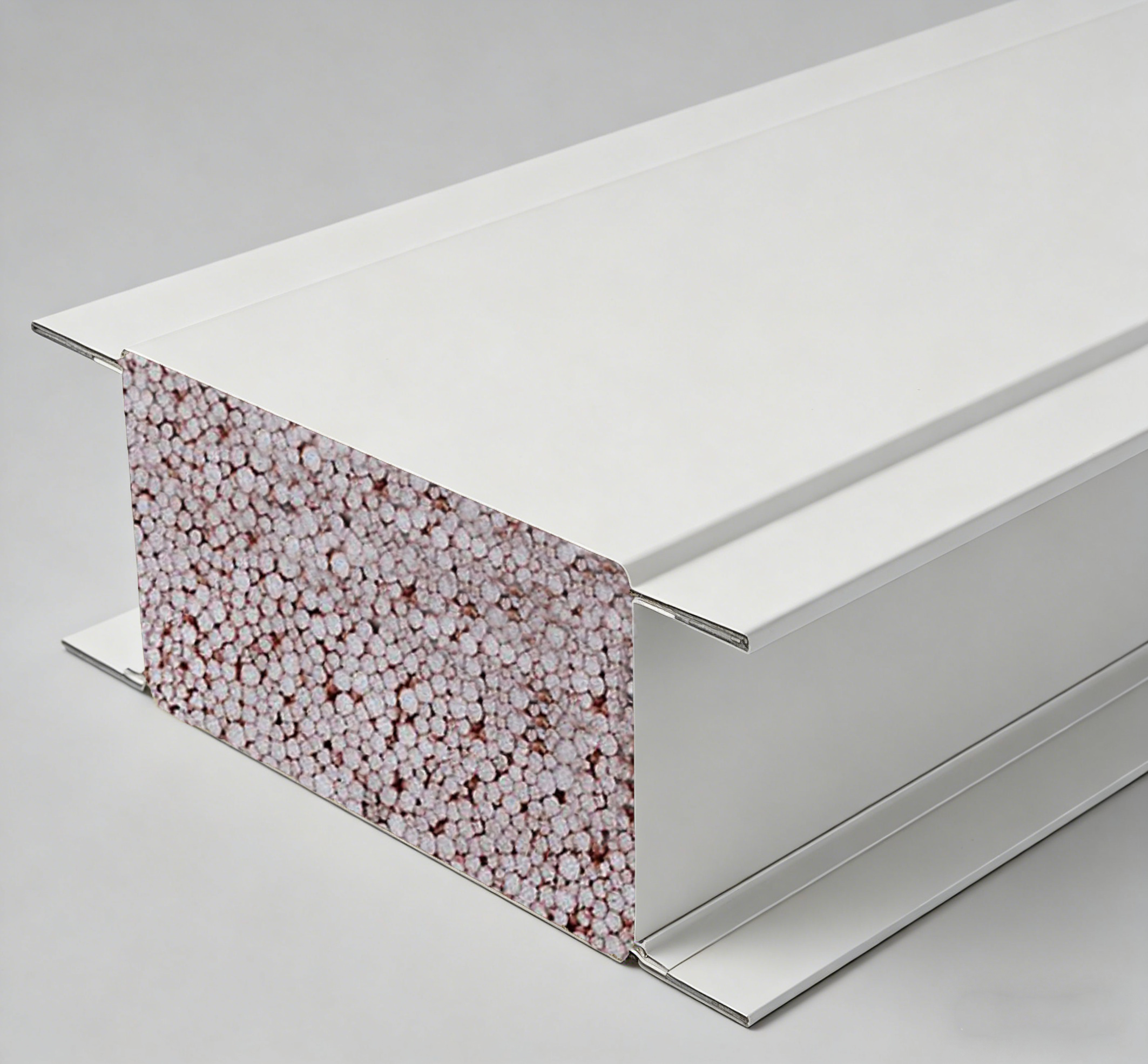
Navigating the complex dynamics of the international commercial construction trade requires a deep and practical understanding of how surface material mechanics affect interior longevity. Over my past decade managing global supply chains, cleanroom engineering configurations, and sandwich panel logistics for high-end industrial facilities, I have seen firsthand how much weather exposure influences material degradation. Standard steel cladding sheets no longer provide the clear technical advantage required to maintain energy efficiency in high-humidity zones. Truly mastering the chemical methodologies of How to protect metal panels from rust and corrosion depends on analyzing protective coatings and atmospheric moisture contact simultaneously. When expanding operations into diverse foreign territories, independent project managers often make the mistake of using generic unbacked metal sheets, which frequently leads to rapid surface pitting and severe structural weakening. Standardizing your facility structures around advanced composite insulated partitions secures a highly reliable physical asset that communicates superior engineering quality and maintains a perfectly stable interior environment.
Advanced Galvanization Metallurgy and Barrier Protection Performance
From a strict material science and chemical engineering viewpoint, the layered core configuration of a premium cladding partition determines its overall performance under intense environmental stress. Figuring out exactly How to protect metal panels from rust and corrosion requires rigorous salt spray testing and precise micron coating thickness verification. Utilizing high-performance zinc alloy or aluminum-zinc hot-dip coatings ensures that the physical composite maintains its mechanical stability over decades of intense structural exposure. Corrosion engineering consultants point out that a superior metal skin must possess an exceptionally stable sacrificial anode layer to actively prevent moisture from reaching the vulnerable iron base beneath. High-tier production lines utilize advanced automated continuous passivating processes to eliminate microscopic surface vulnerabilities, ensuring that your customized building envelope maintains its total structural integrity whether it is deployed in heavy coastal manufacturing plants or high-tech cleanroom laboratories.
Polymer Topcoats and Chemical Resistance Metrics
A visually striking and highly functional structural wall layout is only effective if the outermost protective finishes shield the primary cladding from aggressive sterilization cycles and harsh weather. Advanced architectural engineering show that exploring How to protect metal panels from rust and corrosion involves inspecting the quality of the topcoat resin matrices. Premium setups utilize heavy-duty outer skins coated with advanced fluorocarbon or high-durability polyester finishes to actively resist chemical washdowns, acid rain, and intense ultraviolet radiation. International building science testing associations emphasize that a completely uniform organic topcoat is vital for preventing hidden galvanic corrosion within the assembly grid. Sourcing these securely pre-treated composite panel units allows contracting crews to build exterior structures smoothly, ensuring that the interior workspace remains perfectly pristine and fully compliant with strict global environmental health rules.
Practical Field Discoveries and Industrial Overhaul Success
I remember directing a massive industrial electronics warehouse upgrade project for a large regional technology corporation that was struggling with rapid exterior pitting and fluctuating interior humidity across their coastal assembly facilities. The onsite maintenance crews were dealing with traditional painted sheets that had started rusting near the structural joints due to aggressive sea air, causing the insulation efficiency to plummet while putting a dangerous load on the terminal structural framing. We addressed this systemic corporate challenge by teaching their engineering staff exactly How to protect metal panels from rust and corrosion and implementing a specialized composite sandwich partition replacement program across the facility. Once the installation team applied the integrated multi-layered wall material properly across the warehouse perimeter, the economic advantages were felt immediately. The internal temperature profiles stabilized completely, and the company recorded a noticeable decrease in daily maintenance costs due to the eliminated need for constant anti-rust repainting.
Supply Chain Resilience and Premium Purification Manufacturing Partnerships
Investing in elite composite wall systems is a strategic operational choice that directly affects the core profitability and long-term market reputation of any commercial processing group or industrial cleanroom facility developer. Sourcing unpredictable, unbranded material alternatives typically leads to rapid surface bubbling, irregular edge joints that compromise watertight seals, and frustrating oxidation that completely destroys project validation timelines. Utilizing a meticulously managed production standard that highlights exactly How to protect metal panels from rust and corrosion provides international builders and facility managers with an exceptionally reliable asset that lowers installation waste. By focusing heavily on strict quality control, excellent structural durability, and broad compliance across global construction regulations, SUTIAN PURIFICATION delivers an elite product selection that empowers global partners to fulfill demanding industrial volume contracts with total peace of mind.
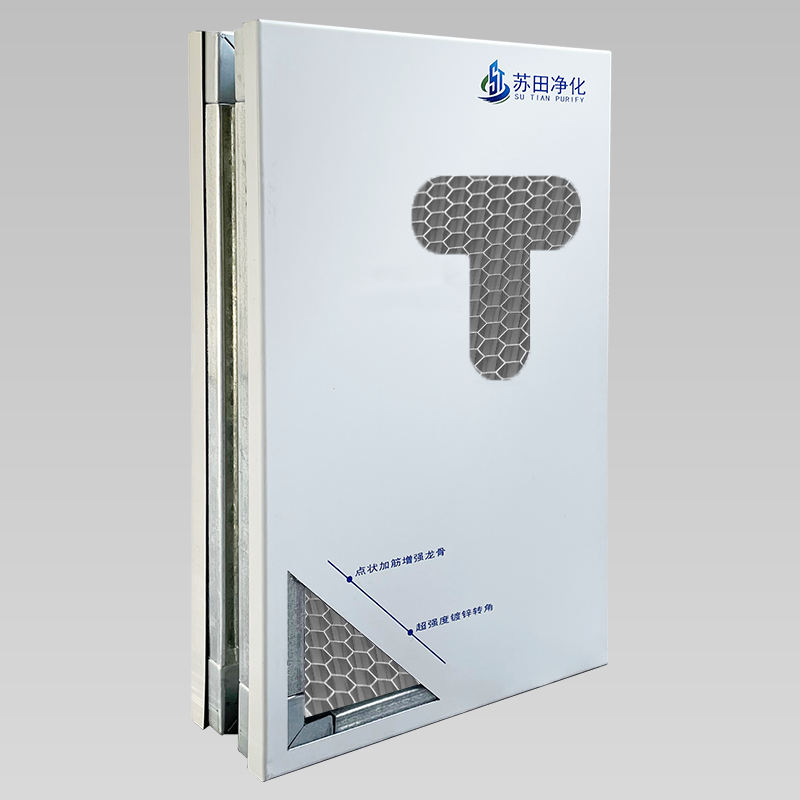
Table of Contents
- Understanding Oxidative Degradation and Preventive Surface Chemistry
- Advanced Galvanization Metallurgy and Barrier Protection Performance
- Polymer Topcoats and Chemical Resistance Metrics
- Practical Field Discoveries and Industrial Overhaul Success
- Supply Chain Resilience and Premium Purification Manufacturing Partnerships