EN
EN



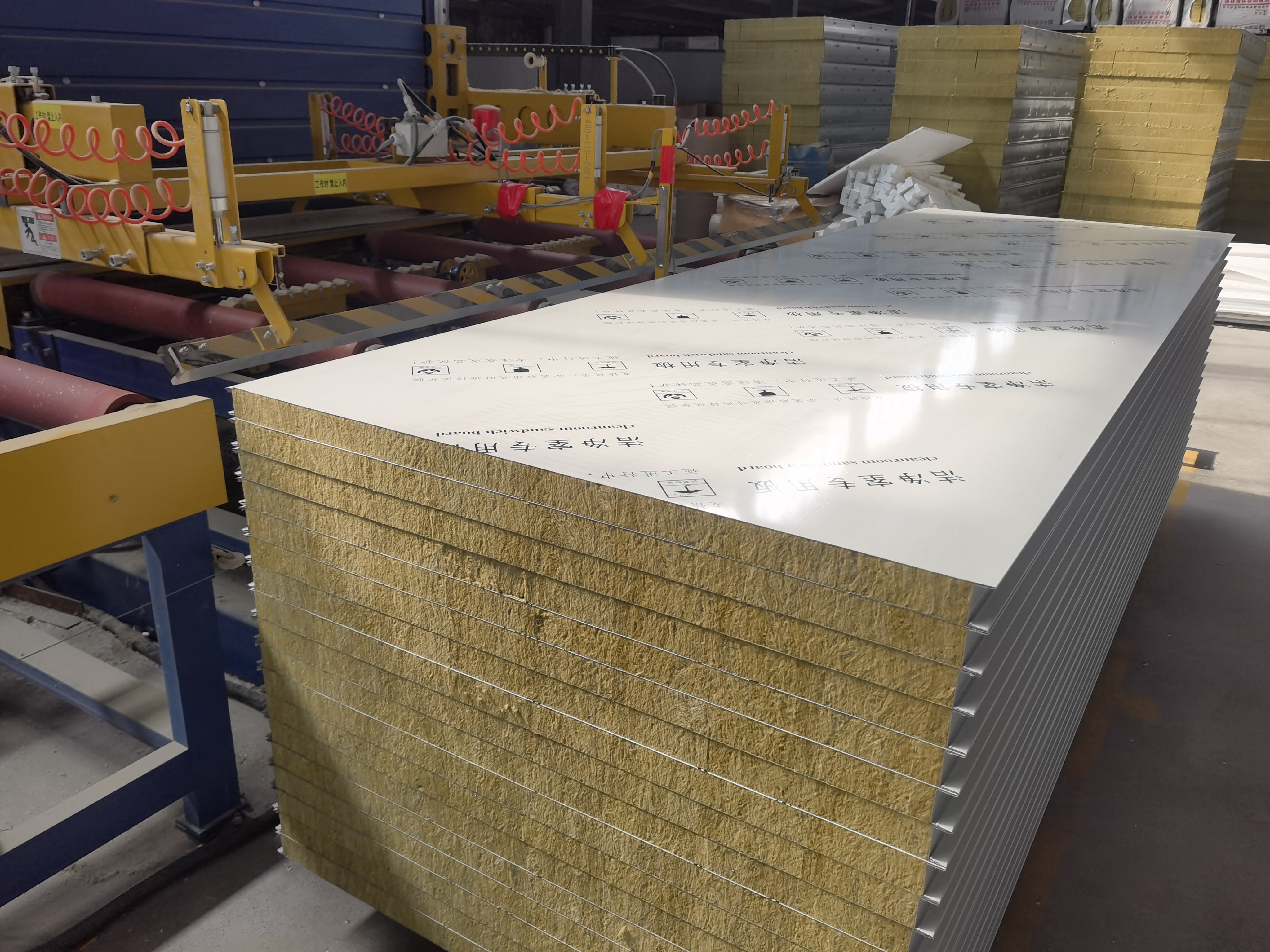
1. The High Cost of Premature Panel Failure
In environments with tropical humidity, salt-laden air, and intense ultraviolet (UV) radiation, uncoated or minimally coated metal panels decay rapidly. Moisture penetrates microscopic pinholes in basic paint, attacks the underlying zinc layer, and eventually corrodes the steel substrate.
Replacing rusted exterior cladding before its expected service life causes significant operational downtime and unexpected capital expenditures. Choosing high-performance coated metal panels prevents premature deterioration, extending outdoor service life by decades and ensuring long-term facility protection.
2. The Material Science Behind Weather Resistance
The durability of an outdoor metal panel relies on a multi-layer protective system engineered at the molecular level:
-
Sacrificial Base Substrate: Galvanized steel, Galvalume, or magnesium-aluminum-zinc alloy provides the first line of defense against rust.
-
Corrosion-Inhibiting Primer & Conversion Coating: Applied beneath the topcoat to prevent under-film corrosion even if the surface is scratched.
-
PVDF Fluoropolymer Topcoat: Polyvinylidene fluoride (PVDF) coatings containing at least 70% fluoropolymer resin feature extremely strong carbon-fluorine bonds that resist UV degradation, chalking, and color fading.
Continuous coil-coating lines bake each layer at precisely controlled temperatures, ensuring complete cross-linking, superior adhesion, and long-term film integrity.
3. Real-World Case: Recladding a Coastal Warehouse
A logistics facility located just two kilometers from the shoreline experienced severe edge corrosion and pinhole leaks on its standard panels within eight years of installation.
Solution & Results
-
Panel Specification: PVDF-coated metal panels on a magnesium-aluminum-zinc alloy substrate with concealed fastener profiles.
-
Edge Protection: All cut edges were factory-sealed with a zinc-rich coating prior to installation.
-
Performance: Monitoring coupons tracked over 12 months showed zero measurable undercutting and retained over 98% of original gloss.
-
Economic Impact: Property risk scores were reduced, leading to lower insurance premiums and lower long-term maintenance costs.
4. Industry Standards and Performance Comparison
International standards validate the durability of protective coating systems under accelerated weathering and harsh atmospheric conditions:
-
EN 10169: Classifies continuously organic coated flat steel products by UV resistance and corrosion categories.
-
ASTM D5894: Evaluates cyclic salt fog and UV exposure performance for painted metals.
| Feature / Metric | Standard Polyester Coating | Premium PVDF Coating |
| Resin Type | Standard Polyester | 70% Fluoropolymer (PVDF) |
| UV & Gloss Retention | Fades and chalks within 5–7 years | Maintains color and gloss for 20+ years |
| Salt Spray & Moisture Defense | Moderate; susceptible to pinholes | Exceptional; high barrier against coastal air |
| Break-Even Analysis | Low upfront cost; high maintenance | Higher upfront cost; break-even by Year 7 |
5. Long-Term Quality Control and Reliability
Ensuring long-term outdoor performance requires transparent quality assurance:
-
Batch Traceability: Full documentation tracking from the raw steel coil certificate to the final inspection report.
-
Accelerated Weathering Validation: Verified data proving resistance to film degradation, color fade, and chalking over extended exposure periods.
-
Third-Party Audits: Material testing certificates conforming to ASTM and EN benchmarks to support architectural specifications.