EN
EN



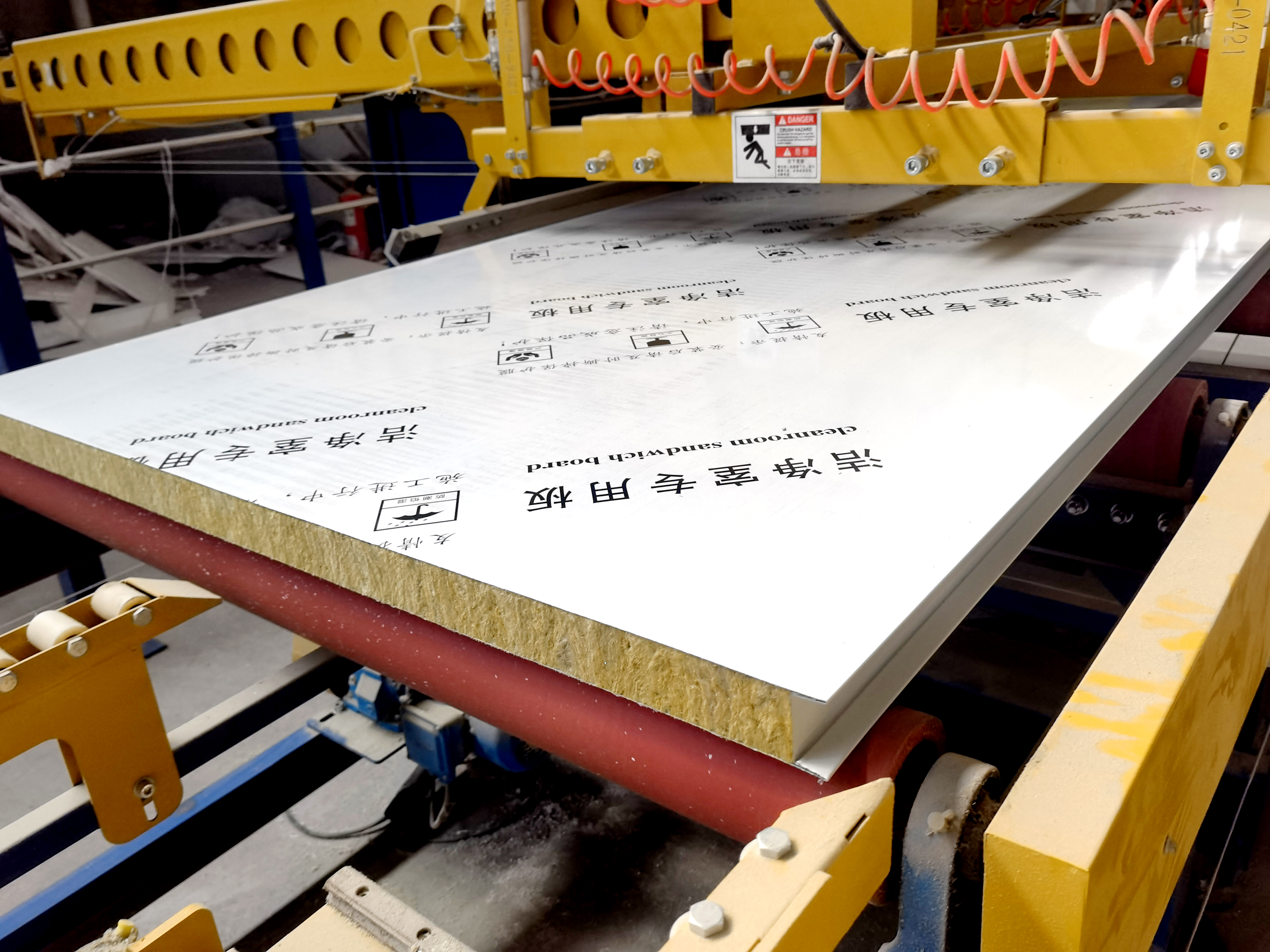
The Science: Why Higher Density Enhances Board Insulation Thermal Resistance
Conductive and Convective Heat Flow Suppression in Dense Cellular Structures
Higher-density closed-cell foam board insulation improves thermal resistance primarily by suppressing conductive and convective heat transfer. Increased density means more solid polymer per unit volume—thickening cell walls and shrinking the size of gas-filled voids. This denser matrix creates a longer, more tortuous path for conductive heat flow through the solid phase, while simultaneously limiting internal convection by restricting gas movement within smaller, more numerous cells. Together, these effects make high-density foam a significantly more effective thermal barrier than lower-density alternatives.
Optimal Density Ranges for Common Board Insulation Materials (XPS, Polyurethane, EPS)
Each board insulation type achieves peak thermal performance within a distinct density range, shaped by its polymer chemistry and cellular architecture. Extruded polystyrene (XPS) delivers optimal balance of R-value retention and cost-efficiency between 28 and 40 kg/m³, where cell integrity is sufficient to retain blowing agents long term. Polyurethane (PU) and polyisocyanurate (PIR) boards perform best at 32–45 kg/m³, requiring greater structural stability to contain their higher-performing—but more volatile—blowing agents. Expanded polystyrene (EPS), with its open-cell tendencies and lower inherent rigidity, functions effectively across a broader range; for standard thermal applications, 16–30 kg/m³ is typical. Deviating significantly from these ranges often yields diminishing thermal returns without proportional gains in performance or durability.
Performance Impact: Measurable Gains in R-Value and Long-Term Stability of Board Insulation
R-Value Improvement: 12–18% Increase per Inch at >32 kg/m³ in High-Density XPS and PU Board Insulation
Increasing density above 32 kg/m³ delivers measurable thermal benefits—particularly in XPS and PU boards—where testing confirms a 12–18% increase in R-value per inch compared to lower-density versions. This improvement stems from reduced radiative transfer across thinner gas pockets and suppressed convective circulation within tightly packed cells. The steepest gains occur between 32 and 55 kg/m³, where the closed-cell network matures without overcompaction. For critical applications like below-grade foundations or low-slope roofs, specifying within this range maximizes thermal efficiency while maintaining material economy.
Aging Resistance: How Dense Cores Retain Blowing Agents and Maintain k-Factor Over Time
Density directly influences long-term thermal stability by slowing the diffusion of blowing agents—key to sustaining low k-factors. Thicker cell walls and tighter cellular structures in high-density boards act as stronger barriers to gas migration. As a result, boards at 35 kg/m³ or higher retain approximately 90% of their initial R-value after 10 years, outperforming lower-density variants that typically show faster degradation. This aging resistance supports compliance with energy codes requiring verified long-term thermal performance (LTTR), while also enhancing moisture resistance and reducing mechanical creep—further protecting the insulation’s functional integrity over decades.
Practical Considerations: Balancing Density, Strength, and Installation Efficiency in Board Insulation
Compressive Strength vs. Thermal Optimization: Avoiding Diminishing Returns Above 55 kg/m³
While compressive strength rises steadily with density, thermal gains plateau beyond 55 kg/m³. At that point, R-value improvements per unit mass decline sharply, while manufacturing costs, weight, and handling difficulty increase disproportionately. Structural demands should drive density selection—not default assumptions: heavy rooftop equipment warrants higher-density board, but cavity walls or rainscreen cladding rarely require it. For most building envelope applications, the sweet spot lies between 28 and 50 kg/m³, delivering robust compressive performance alongside near-peak thermal efficiency.
Field Implications: Cutability, Fastening, and Compatibility with Cladding Systems
Real-world installation constraints often outweigh theoretical performance metrics. Denser boards (>45 kg/m³) resist cutting with standard utility knives, slowing field work and accelerating blade wear. Although fastener pull-through resistance improves with density, excessive stiffness increases the risk of edge cracking during screw installation. Cladding compatibility is equally critical—lightweight curtain-wall anchors or thin-gauge metal substrates may not support the dead load of ultra-dense panels. Specifiers should cross-check board density against fastener spacing, substrate specifications, and cladding attachment details. For typical commercial and residential projects, a moderate density of 30–40 kg/m³ consistently offers the strongest balance of ease of use, structural reliability, and thermal performance.
FAQ
1. Why does higher density improve insulation thermal resistance?
Higher density improves thermal resistance by creating a denser structure that suppresses conductive and convective heat transfer, providing a more effective thermal barrier.
2. What is the optimal density range for different board insulation materials?
For XPS, 28–40 kg/m³ is optimal; PU and PIR perform best at 32–45 kg/m³; and EPS functions effectively between 16–30 kg/m³.
3. How does density affect the R-value of insulation boards?
Increasing density above 32 kg/m³ can result in a 12–18% increase in R-value per inch, making the insulation more thermally efficient.
4. Is there a point where increased density becomes less beneficial?
Yes, beyond 55 kg/m³, the improvements in R-value per unit mass reduce, while costs, weight, and installation difficulty increase.