EN



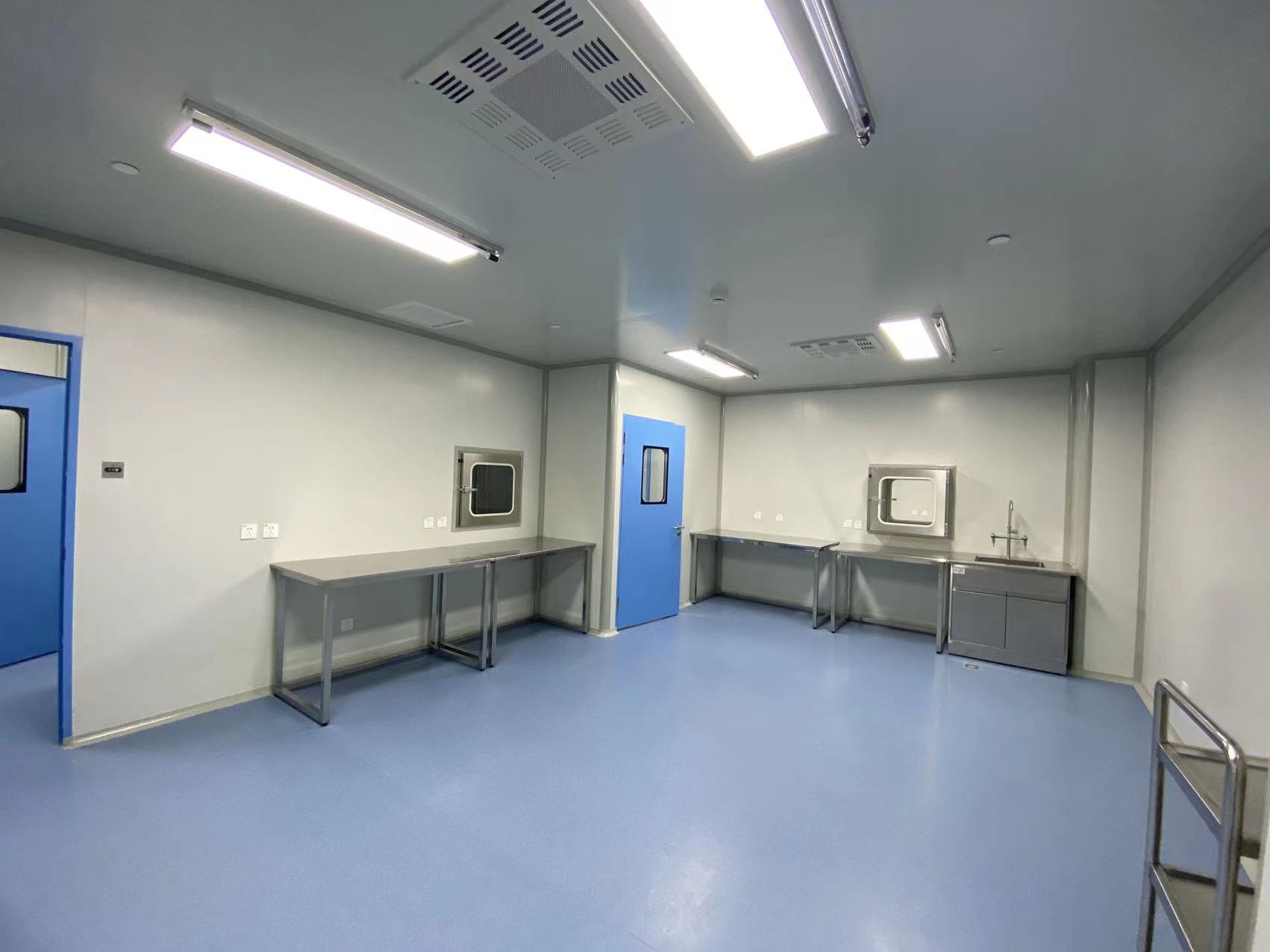
Regulatory Compliance and Documentation Standards for Cleanroom Doors
Maintaining compliant cleanroom doors is a foundation of GMP compliance—where a single seal failure can trigger contamination events that jeopardize product quality. The following standards define the integrity, documentation, and verification requirements that keep doors audit-ready.
FDA 21 CFR 211.67 and Health Canada GUI-0001 Requirements for Cleanroom Door Integrity
FDA 21 CFR 211.67 mandates that equipment—including cleanroom doors—be maintained, cleaned, and sanitized at appropriate intervals to prevent contamination. For doors, this means verifying gasket seals remain intact, surfaces are non-porous and non-shedding, and automatic interlocks function without fail. Any crack, delamination, or compression loss must be documented and corrected immediately, as industry data indicates over 30% of contamination incidents originate from door seal failures (2023). Health Canada GUI-0001 mirrors this rigor, requiring smooth, cleanable surfaces with no crevices that could harbor microorganisms. Under both frameworks, facilities must demonstrate through documented evidence that door integrity is continuously maintained—routine visual inspections, cleaning after each product batch, and replacement of worn components are not optional; they are compliance imperatives. The goal is ensuring doors never become a source of contamination that could invalidate a production run or trigger a regulatory observation.
ISO 14644-5:2022 Contamination Control Guidelines Specific to Cleanroom Doors
ISO 14644-5:2022—the operational standard for cleanroom contamination control—specifies that doors must be designed and maintained to minimize particle generation, retention, and ingress. This requires non-particle-shedding materials like stainless steel or high-pressure laminate, surfaces with an Ra roughness typically ≤ 0.8 µm, and completely flush mounting with no horizontal ledges where particles settle. The standard links door design to the area’s ISO classification: ISO 5-critical zones demand hermetic sealing with leakage rates ≤ 0.1 m³/h at 50 Pa, while ISO 7–8 areas may accept slightly higher tolerances using single-compression gaskets. Cleaning protocols must also be compatible with door materials—aggressive disinfectants must not cause pitting or swelling. Interlocking mechanisms, if present, must maintain pressure cascades and prevent cross-contamination. By adhering to these guidelines, facilities ensure their doors actively support—not undermine—the controlled environment.
Audit-Ready Documentation: Cleaning Logs, Verification Records, and Change Control Tracking
Regulatory auditors treat cleanroom doors as critical control points—and expect rigorous documentation to prove compliance. Cleaning logs must record date, time, cleaning agent, and operator for every cycle, with verification of residue-free surfaces. Periodic seal compression tests and interlock functional checks generate verification records confirming ongoing performance; monthly gasket integrity testing is typical, with results logged and any deviation triggering immediate corrective action. Change control tracking is equally vital—any modification, whether replacing a window or adjusting a closer, must follow a formal process including re-verification of pressure differentials and particle counts. Without these records, even a perfectly maintained door cannot be proven compliant. Organizations embedding these practices into preventive maintenance reduce audit stress and demonstrate a proactive commitment to contamination control aligned with FDA and Health Canada expectations.
Preventive Maintenance Schedule for Cleanroom Doors
Daily Checks: Gasket Seal Compression, Visual Contamination, and Interlock Status
Daily checks protect cleanroom doors from becoming the weakest link in contamination control. Begin each shift by running a finger along the full perimeter of the door gasket to feel for uneven compression or gaps. A properly seated seal should compress uniformly to 25–50% of its original thickness. Any area that springs back too quickly or lets light pass through signals an immediate adjustment need.
After verifying seal integrity, wipe down the door leaf, frame, and vision panel with a low-lint cloth to catch visible contamination. Pay close attention to the door bottom sweep and floor junction—these often collect particulate drawn into the cleanroom during opening cycles. Equally critical is interlock status: for mechanical systems, confirm only one door opens at a time; for electronic systems, verify indicator lights and magnetic locks respond instantly. Log each daily check with timestamp, inspector initials, and findings. Consistent execution of these tasks reduces unscheduled downtime by up to 40% in controlled environments and ensures ongoing alignment with ISO 14644-5 operational requirements.
Weekly & Monthly Tasks: Actuator Calibration, Stainless Hardware Lubrication, and Threshold Alignment
On a weekly cycle, recalibrate automatic door actuators to maintain closing force within manufacturer tolerances—typically ±5% of rated torque. Use a digital force gauge to verify the door closes firmly without slamming, as excessive force accelerates gasket wear and misaligns hinges. Record calibration values for trend analysis; gradual drift often signals a failing spring or motor capacitor.
Monthly maintenance focuses on stainless hardware and threshold alignment. Apply a thin film of cleanroom-compatible, non-outgassing lubricant—such as perfluoropolyether (PFPE) grease—to hinge pins, latch bolts, and slide tracks. Avoid silicone-based sprays, which risk contaminating sensitive processes. While lubricating, inspect all stainless components for pitting or crevice corrosion—especially around welds—and replace any fasteners showing rust bloom.
Alignment checks should measure the gap between the door bottom and threshold with a feeler gauge. A maximum 3 mm gap is acceptable for non-critical cleanrooms, while ISO Class 4–5 facilities often require less than 1 mm to preserve pressure cascades. If the threshold has shifted, retighten anchor bolts and shim as needed before rechecking seal compression. Integrating these weekly and monthly tasks into a preventive maintenance schedule extends service life by years—ensuring reliable contamination control and audit-ready documentation.
Material-Specific Cleaning and Disinfection Protocols for Cleanroom Doors
Stainless Steel, Polycarbonate, and Epoxy-Coated Surfaces: Disinfectant pH Compatibility and Abrasion Safety
Effective maintenance hinges on selecting disinfectants compatible with surface chemistry to prevent corrosion, hazing, or micro-cracking. Stainless steel—especially 316L grade—resists oxidation across broad pH ranges, but repeated exposure to chloride-based agents (e.g., bleach) can initiate pitting if rinse cycles are incomplete. Industry guidance recommends neutral to mildly alkaline (pH 7–9) quaternary ammonium compounds for daily use, reserving acidic or high-pH sporicides for rotating schedules only. Polycarbonate view panels demand alkaline-free formulas: even dilute sodium hypochlorite or strong solvents cause stress cracking and clouding, compromising visibility and particle cleanliness. Epoxy-coated doors provide a non-porous barrier, yet abrasive pads rapidly degrade the finish, creating micro-scratches that trap bioburden. A recent facilities assessment found switching to microfiber wipes and low-abrasion cleaners extended epoxy coating service life by an average of 2.3 years. Aligning disinfectant pH with material data sheets—and avoiding mechanical abrasion—are foundational steps to preserving door integrity under high-frequency disinfection protocols.
Design Features That Extend Cleanroom Door Service Life
Extending the service life of cleanroom doors begins with strategic design choices addressing the primary sources of degradation: continuous use, aggressive cleaning agents, and seal fatigue. Premium doors incorporate high-durability materials such as stainless steel, polycarbonate, or epoxy-coated surfaces that resist corrosion, staining, and chemical attack from frequent disinfection. Equally critical are advanced sealing mechanisms—air-tight pull-down bottom seals and compression gaskets made from non-plasticized elastomers—that maintain long-term airtightness without permanent deformation or particle shedding.
Ergonomic hardware further reduces wear and contamination risk. Smooth, groove-free lever handles allow operation via elbow or gloved hands, eliminating direct skin contact and bioburden buildup in crevices. Precision-damped door closers prevent slamming and hinge stress, while modular interlocking systems preserve panel alignment under heavy traffic. By selecting doors with fully sealed view panels, integrated blinds, and easy-access maintenance points, facility teams can minimize unplanned downtime and ensure sustained performance over decades of service.
FAQ
Why is cleanroom door integrity critical for GMP compliance?
Cleanroom door integrity is essential for preventing contamination and meeting regulatory standards, as compromised doors can lead to product quality issues and non-compliance. Proper maintenance ensures seals, surfaces, and interlocking mechanisms work effectively.
What are the key cleanroom door standards for compliance?
FDA 21 CFR 211.67, Health Canada GUI-0001, and ISO 14644-5:2022 provide specific guidelines on door design, maintenance, and documentation to ensure contamination control and regulatory compliance.
How often should preventive maintenance be performed on cleanroom doors?
Daily checks for seal compression and contamination, weekly actuator calibration, and monthly hardware lubrication and alignment are recommended to maintain optimal performance and extend door lifespan.
What materials are suitable for cleanroom doors?
Materials such as stainless steel, polycarbonate, and epoxy-coated surfaces are preferred due to their durability and resistance to corrosion, staining, and chemical attacks from frequent disinfection.