EN
EN



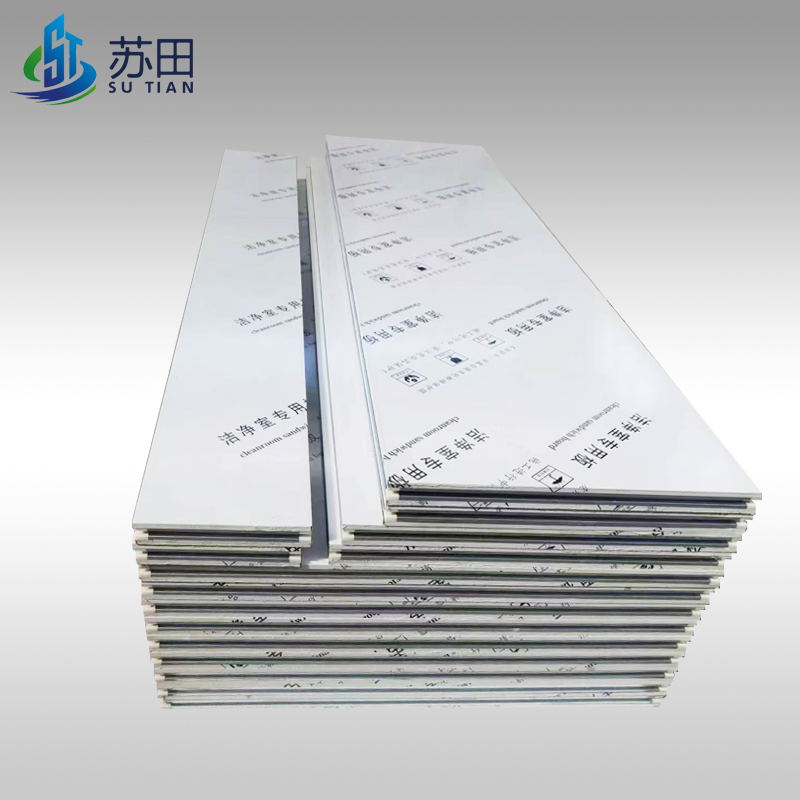
Hygienic Performance: How Smooth, Non-Porous Wall Panel Surfaces Prevent Microbial Growth
The science of surface roughness and biofilm formation on wall panel substrates
Microbial colonization on wall panels is governed by substrate topography—not just visible texture, but microscopic roughness. Even surfaces that appear smooth can harbor peaks and valleys that trap moisture, organic debris, and bacteria. Surface science research shows that when arithmetic mean roughness (Ra) exceeds 0.8 µm, available surface area for bacterial adhesion doubles—providing mechanical anchorage that resists cleaning. Once attached, microbes secrete extracellular polymeric substances, forming protective biofilms that mature within 24 hours under humid conditions. These biofilms shield colonies from disinfectants, turning ostensibly clean walls into persistent contamination sources.
Non-porous, ultra-smooth materials—such as high-pressure laminates and solid surface composites—with Ra values below 0.5 µm inhibit this process by eliminating micro-crevices where biofilm initiation occurs. Independent testing per ISO 22196 confirms these surfaces reduce viable bacterial counts by over 99.9% compared to standard textured substrates. By maintaining a flat, uninterrupted interface, they break the chain of microbial adhesion—significantly lowering cross-contamination risk in hygiene-critical environments like hospitals and pharmaceutical cleanrooms.
Real-world impact: Hospital cleanroom wall panel failures tied to micro-roughness and retained dust
Hospital cleanrooms must comply with ISO 14644-1 Class 5 or stricter air cleanliness standards—but surface quality is equally decisive. Field investigations have repeatedly linked healthcare-associated infection (HAI) outbreaks to micro-roughness in wall panel systems. A 2023 analysis of 12 HAI clusters in intensive care units found that eight facilities used wall panels with Ra values between 1.2 µm and 2.5 µm. In those cases, microscopic grooves retained dust and skin squames, creating nutrient-rich habitats for Staphylococcus aureus and Candida auris, even after terminal cleaning.
One pharmaceutical compounding cleanroom halted operations for three weeks after swab tests revealed persistent gram-negative bacteria embedded in a textured wall panel surface—traced to a 3 µm surface deviation that trapped moisture and disinfection by-products. Such failures demonstrate how minor irregularities can nullify rigorous cleaning protocols. As a result, leading healthcare facilities now specify integrally smooth, non-porous wall panels and require post-installation profilometry to verify Ra remains below 0.5 µm—eliminating hidden reservoirs that compromise patient safety.
Coating Integrity: Why Dust-Free Wall Panel Surfaces Are Essential for Adhesion and Long-Term Durability
How sub-micron contaminants compromise interfacial bond strength (ASTM D4541 evidence)
In controlled environments, even sub-micron dust particles critically undermine coating performance. These particles act as a physical barrier, preventing direct contact between coating and substrate—disrupting mechanical interlocking and weakening chemical bonding. ASTM D4541 pull-off testing shows panels contaminated with just 0.5 µm particles exhibit a 40% reduction in bond strength versus dust-free controls (2023). This interference creates localized stress points where moisture and oxygen penetrate, accelerating underfilm corrosion and blistering. Over time, such micro-defects trigger premature coating failure—even under mild service conditions. Surface cleanliness at the sub-micron level is therefore not cosmetic: it is foundational to durable adhesion.
Dust-class thresholds matter: Coating delamination rates across ISO 14644 Class 5–8 environments
Coating durability correlates directly with the airborne particle concentration of the environment where wall panels are coated and installed. Higher particle counts increase contaminant deposition before coating application, raising the probability of bond failure. A 2024 Cleanroom Performance Survey tracking five-year delamination rates across ISO classes reveals a strong statistical relationship:
| ISO 14644 Class | Max particles ≥0.5 µm/m³ | Delamination rate after 5 years |
|---|---|---|
| Class 5 | 3,520 | ≤0.5 % |
| Class 6 | 35,200 | 1.2 % |
| Class 7 | 352,000 | 3.8 % |
| Class 8 | 3,520,000 | 6.5 % |
In Class 5 environments—where airborne dust is tightly controlled—delamination remains rare. In contrast, Class 7 and 8 settings show a tenfold increase in failure rates. Even moving from Class 6 to Class 7 triples the risk of coating loss. These findings confirm that maintaining a dust-free surface throughout the coating process is essential not only for quality assurance but for long-term material integrity. For manufacturers, aligning production protocols with stricter ISO classifications directly reduces warranty claims and extends service life.
Contamination Control: Eliminating Surface Irregularities That Trap Dust, Moisture, and Grease in Wall Panel Systems
Micro-gap analysis: Why surface deviations >3 µm create persistent contamination reservoirs
Surface deviations exceeding 3 µm are functional flaws—not aesthetic ones. These irregularities form capillary channels that draw in and retain moisture via capillary action. Simultaneously, they act as mechanical traps for fine particulates, anchoring dust that standard cleaning cannot dislodge. Airborne grease adheres readily to such rough surfaces, binding other contaminants into a sticky, resilient matrix. This accumulation fosters biofilm development or persistent soiling layers—transforming minor surface defects into tenacious contamination reservoirs. Because these reservoirs resist routine cleaning, they sustain cycles of recontamination, undermining both hygienic performance and long-term material integrity. Ultimately, wall panels with deviations >3 µm cease to repel contaminants—and instead harbor them.
Regulatory & Market Drivers: How Standards and End-User Demands Are Elevating Wall Panel Surface Requirements
Evolving regulations and market expectations are converging to raise the bar for wall panel surface quality. The EU’s Energy Performance of Buildings Directive (EPBD) mandates near-zero energy performance, requiring wall assemblies to achieve U-values below 0.15 W/m²K (EU 2023)—driving adoption of insulated panel systems whose thermal and moisture performance depends entirely on flawless surface integrity. Concurrently, infection control guidelines from the CDC and WHO require healthcare facility surfaces to be smooth, non-porous, and free of microscopic defects to prevent microbial reservoirs. Cleanroom standards like ISO 14644-1 further define surface cleanliness requirements, with Class 5 environments demanding airborne particle counts below 3,520 per m³ for particles ≥0.5 µm—pushing manufacturers to eliminate micro-roughness and dust-attracting features.
End-user demand reinforces these regulatory imperatives. Facility managers and building owners increasingly prioritize low-maintenance, sustainable solutions—seeking wall panels that support LEED v4.1 credits for durability, indoor air quality, and ease of cleaning. This convergence of code, clinical, and commercial drivers has made sub-micron smoothness and dust-free finishes a baseline expectation—not an optional upgrade—accelerating innovation in precision surface engineering for wall panel systems.
FAQ Section
What is the significance of arithmetic mean roughness (Ra) in wall panels?
Ra measures surface roughness, with higher values indicating more microscopic peaks and valleys that can harbor bacteria and moisture. Ultra-smooth surfaces with low Ra values below 0.5 µm minimize microbial adhesion.
Why are non-porous wall panels preferred in hygienic environments?
Non-porous wall panels eliminate micro-crevices that could trap moisture and bacteria, significantly reducing contamination risks and ensuring easier cleaning protocols.
How do dust particles affect coating adhesion?
Dust particles act as barriers, preventing effective bonding between coating and substrate, which can cause premature coating failures and localized stress points.
What are the ISO classifications mentioned in the article?
ISO classifications define particle concentration levels in controlled environments. For example, ISO Class 5 specifies a maximum of 3,520 particles ≥0.5 µm per cubic meter of air.
How does surface deviation above 3 µm affect wall panels?
Surface deviations >3 µm create capillary channels and mechanical traps for contaminants, fostering biofilm development and reducing hygienic performance.
What market trends are influencing wall panel requirements?
Regulatory demands for energy efficiency, infection control, and cleanroom standards are pushing manufacturers to develop smoother and more durable wall panels.
Table of Contents
- Hygienic Performance: How Smooth, Non-Porous Wall Panel Surfaces Prevent Microbial Growth
- Coating Integrity: Why Dust-Free Wall Panel Surfaces Are Essential for Adhesion and Long-Term Durability
- Contamination Control: Eliminating Surface Irregularities That Trap Dust, Moisture, and Grease in Wall Panel Systems
- Regulatory & Market Drivers: How Standards and End-User Demands Are Elevating Wall Panel Surface Requirements
-
FAQ Section
- What is the significance of arithmetic mean roughness (Ra) in wall panels?
- Why are non-porous wall panels preferred in hygienic environments?
- How do dust particles affect coating adhesion?
- What are the ISO classifications mentioned in the article?
- How does surface deviation above 3 µm affect wall panels?
- What market trends are influencing wall panel requirements?