EN



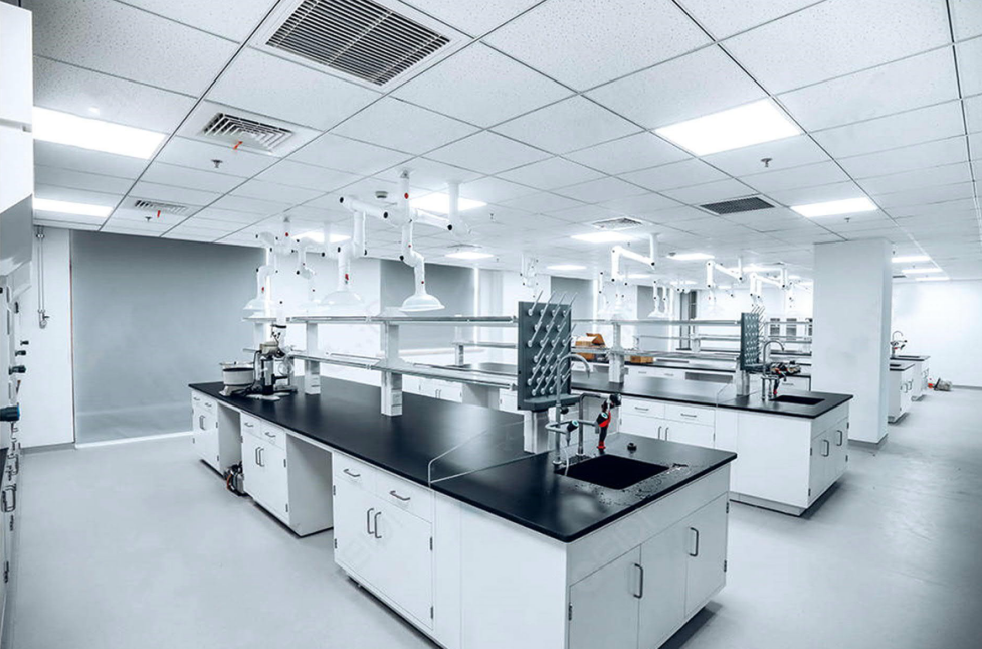
Core Principles of Clean Room Wall Panels Maintenance
Why Clean Room Wall Panels Degrade Despite Controlled Environments
Even in tightly regulated spaces, clean room wall panels undergo gradual degradation. Chemical vapors cause microscopic surface etching; routine wiping with marginally abrasive cloths introduces fine scratches that evolve into particle traps. Sealant bonds at panel joints lose elasticity over time due to thermal cycling and repeated disinfection—creating hidden gaps. A leading life science facility traced 30% of panel failures to undetected joint separation, not surface damage. Human activity remains the primary vector for introducing contaminants that accelerate wear—even with strict gowning protocols. Moisture entrapment behind panels, often invisible during routine checks, promotes mold growth that undermines both structural integrity and ISO classification. Without proactive monitoring, these slow, compounding failures remain masked by the controlled environment until a critical breach occurs.
Material Integrity, Chemical Compatibility, and Human Protocol: The Three Pillars
Effective long-term maintenance rests on three interconnected principles. Material integrity means selecting panels engineered for the specific ISO class and process chemistries—phenolic resin panels, for example, resist aggressive disinfectants better than standard vinyl finishes. Chemical compatibility requires verifying every cleaning agent against the panel manufacturer’s compatibility matrix; a single misapplied solvent can cause irreversible hazing or delamination. Human protocol solidifies the system: technicians must receive ongoing training in non-contact cleaning techniques, tool selection, and disciplined reporting of even minor inconsistencies. Facilities using structured daily and weekly cleaning checklists reduce panel-related contamination events by over 40%. When upheld consistently, these pillars ensure the cleanroom envelope functions as a reliable barrier—not a latent liability.
Proactive Inspection Strategies for Clean Room Wall Panels Durability
Proactive assessment of clean room wall panels goes beyond routine checks—it demands a methodical blend of visual scrutiny and technology. A data-driven inspection regimen intercepts degradation before it threatens environmental control.
Micro-Scratch Mapping and Quarterly Visual Audits
Micro-scratches on clean room wall panels often go unnoticed yet serve as reservoirs for biofilm and particulate shedding. Systematic scratch mapping pairs quarterly visual audits with precise documentation of surface imperfections. Technicians use oblique lighting and low-magnification lenses to identify hairline cracks, de-lamination, or discoloration, then record coordinates, dimensions, and dates on a digital grid. Trend analysis across quarters reveals propagation rates and flags high-risk zones for timely intervention. Research from the Controlled Environment Testing Association (CETA 2023) found that facilities using scratch-mapping audits reduced panel-related contamination events by 37% compared with those relying solely on annual inspections. Integrating findings into a computerized maintenance management system (CMMS) automates work-order generation for priority areas. Overlay tools—whether acetate sheets or mobile apps—enable rapid side-by-side comparison of successive maps, transforming reactive patch repairs into a precision-driven preventive program that extends panel lifespan.
AI-Powered Inspection Tools for Early Sealant and Joint Degradation Detection
Machine-vision systems now automate detection of early-stage degradation in clean room wall panel seals and joints. High-resolution cameras—often mounted on autonomous carts—capture thousands of images per cycle; convolutional neural networks identify micro-cracks, adhesive pull-away, or sub-millimeter dimensional shifts invisible to the human eye. A 2024 facility management benchmark found AI-based early detection reduces repair costs by up to 60% by catching failures while still sub-millimeter. Thermal-imaging add-ons detect moisture intrusion behind panels, preventing hidden mold colonies. Once trained on a baseline of defect-free seams, the AI learns normal appearance and triggers alerts at the first deviation. These tools deliver continuous, labor-neutral monitoring and feed predictive models that schedule just-in-time re-sealing. Shifting from calendar-based to algorithm-driven surveillance significantly strengthens the hermetic integrity of the cleanroom envelope.
Optimized Cleaning Protocols for Clean Room Wall Panels
Tiered Cleaning Matrix by Material: PVC, Stainless Steel, and Phenolic Panels
A one-size-fits-all cleaning regimen accelerates panel deterioration. Alkaline cleaners hydrolyze PVC polymers; chlorinated agents compromise stainless steel’s passivation layer; harsh solvents degrade phenolic resin bonds. A material-specific tiered matrix mitigates these risks while sustaining ISO Class 5–8 compliance. A 2023 controlled study found tailored protocols reduced surface particles by up to 40% versus generic approaches. The matrix below prioritizes frequency, agent pH, and tool abrasiveness:
| Material | Recommended Cleaning Agent | Frequency | Tools & Method | Prohibited Agents/Tools |
|---|---|---|---|---|
| PVC | pH-neutral, non-alkaline detergent | Daily routine; immediate spill response | Microfiber cloth, soft sponge; gentle circular motion | Alkaline cleaners, abrasive pads, steel wool |
| Stainless Steel | Deionized water + 70% isopropyl alcohol | Per shift; as needed | Non-abrasive wipes; wipe along grain direction | Chlorinated cleaners, scouring powders |
| Phenolic | Mild detergent or quaternary ammonium solution | Weekly deep clean; daily surface check | Electrostatic mop or soft sponge; no scrubbing | Strong solvents (acetone), abrasive brushes |
Cleaning procedures should be reviewed annually against current ISO 14644-5 guidance to ensure continued alignment with best practices and regulatory expectations.
Damage Prevention: Non-Abrasive Tools and pH-Balanced Cleaning Agents
To protect clean room wall panels, maintenance teams must prioritize non-abrasive tools and pH-balanced cleaning agents. Abrasive pads and harsh chemicals accelerate surface degradation, compromising aseptic conditions—and ISO 14644-5 Annex B explicitly identifies PVC panels as especially vulnerable to alkaline solutions.
Avoiding Alkaline Cleaners on PVC Panels — Evidence from ISO 14644-5 Annex B
ISO 14644-5 Annex B warns that alkaline cleaners (pH >9) induce polymer hydrolysis in PVC panels, resulting in micro-cracking and increased particulate generation. Testing shows a 45% rise in surface roughness after just 10 exposure cycles at pH 10 (Materials Research 2022), creating crevices that harbor microbial contamination. The standard recommends non-ionic, pH-neutral detergents (6–8) to prevent chemical residues that could off-gas VOCs. Non-abrasive microfiber cloths must replace pads or brushes that mechanically abrade the surface—exposing fresh material to accelerated chemical attack. Combining alkaline agents with abrasive tools multiplies degradation risk exponentially. Always verify solution pH with calibrated test strips and conduct small-area compatibility trials before broad application. Once scratched, alkaline solutions penetrate deeper, promoting delamination and elevated outgassing that directly threaten air quality and ISO classification. Ongoing staff training on detergent selection and inspection reinforces durable, compliant maintenance.
Ensuring Moisture Resistance and Mold Prevention in Clean Room Wall Panels
Moisture management is foundational to clean room wall panel longevity. Even micro-condensation can initiate delamination, blistering, or biofilm formation—directly threatening ISO classification. A 2023 assessment by the Controlled Environment Research Consortium found that 68% of panel remediation cases in ISO 7–9 cleanrooms stemmed from overlooked humidity breaches (CERC 2023). To counter this, panels must integrate impermeable, non-porous facings—such as urethane-sealed stainless steel or closed-cell phenolic cores—paired with continuous cove bases and silicone-free, fungistatic sealants at all joints. Active humidity control (30–60% RH) combined with bi-annual thermal imaging inspections detects early moisture entrapment before mold establishes. Smooth, electropolished stainless steel finishes limit crevice nucleation, while antimicrobial additives in PVC-based panels inhibit hyphal growth. Promptly recoating micro-scratches with ISO 14644-5–compliant, low-VOC restoration coatings prevents water vapor ingress. This multi-layered, proactive strategy safeguards both panel lifecycle and the sterile integrity of the facility.
FAQ
What are the main causes of clean room wall panel degradation?
Degradation is primarily caused by chemical vapors, microscopic surface etching, fine scratches from cleaning, loss of sealant elasticity due to thermal cycling, moisture entrapment, and contaminants introduced by human activity.
How can material selection enhance clean room wall panel longevity?
Selecting panels engineered for specific ISO classes and process chemistries, such as phenolic resin panels resistant to aggressive disinfectants, ensures greater material durability and chemical compatibility.
What is the role of AI in maintaining clean room wall panels?
AI-powered inspection tools use high-resolution cameras and neural networks to detect early-stage degradation, enabling proactive repairs. These tools reduce costs by predicting failures and strengthening the clean room’s structural integrity.
How often should cleaning procedures be reviewed?
Cleaning procedures should be reviewed annually to align with current ISO 14644-5 guidance and ensure compliance with regulatory standards.
How does moisture resistance prevent panel damage and contamination?
Moisture management, including impermeable facings, humidity control, and regular inspections, prevents delamination, blistering, and mold formation, safeguarding both the panels’ lifespan and ISO classification.
Table of Contents
- Core Principles of Clean Room Wall Panels Maintenance
- Proactive Inspection Strategies for Clean Room Wall Panels Durability
- Optimized Cleaning Protocols for Clean Room Wall Panels
- Damage Prevention: Non-Abrasive Tools and pH-Balanced Cleaning Agents
- Ensuring Moisture Resistance and Mold Prevention in Clean Room Wall Panels
-
FAQ
- What are the main causes of clean room wall panel degradation?
- How can material selection enhance clean room wall panel longevity?
- What is the role of AI in maintaining clean room wall panels?
- How often should cleaning procedures be reviewed?
- How does moisture resistance prevent panel damage and contamination?