EN
EN



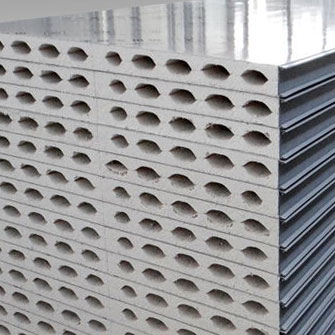
Cleanrooms are designed to exclude airborne particles and microbes, but wall panels themselves can become environmental reservoirs if they are not actively hostile to microbial life.
Every time a technician brushes against a panel or a cleaning cycle leaves a thin moisture layer behind, bacteria and mold spores gain an opportunity to settle and multiply. An anti-bacterial surface treatment turns a cleanroom wall from a passive barrier into an active defender, preventing microscopic contamination from developing into audit failures and production shutdowns.
How Anti-Bacterial Surface Treatment Works on Wall Panels
The most effective technology used on cleanroom wall panels is silver-ion doping, where silver ions are dispersed within a thermoset polymer coating fused to the metal substrate during continuous lamination.
Mechanism of Action
-
Cell Membrane Disruption: Silver ions (Ag+) attach to and penetrate bacterial cell walls.
-
DNA & Replication Interference: Once inside, ions bind to bacterial DNA, halting cellular replication.
-
Reactive Oxygen Species (ROS) Generation: The ions catalyze oxidation, destroying essential cellular structures from within.
According to ISO 22196 testing standards (which measure antibacterial activity on non-porous surfaces), factory-applied silver-ion coatings can reduce bacterial colonization by more than 99.9% within 24 hours—even under the high-humidity conditions common in controlled environments. This treatment also inhibits fungal growth and prevents the formation of hard-to-remove biofilms.
Performance in Pharmaceutical Operations
In aseptic processing suites (such as EU GMP Grade A/B environments), cleanroom wall panels must withstand daily exposure to vaporized hydrogen peroxide (VHP) fogging and aggressive disinfectants without developing micro-cracks that harbor mold.
An integrated antimicrobial coating combined with airtight joint systems ensures:
-
Zero Bioburden Spikes: Prevents bacterial and fungal growth along panel seams and hidden crevices.
-
Reduced Rejection Rates: Minimizes environmental monitoring excursions and batch rejections tied to bioburden contamination.
-
Enhanced Chemical Resistance: Withstands harsh quaternary ammonium and alcohol-based cleaning agents.
Regulatory Alignment and Industry Standards
Global cleanroom standards demand strict microbial control, implicitly requiring surfaces that actively resist contamination:
-
EU GMP Annex 1: Dictates that all cleanroom surfaces must be impervious, easy to clean, and inherently resistant to microbial growth.
-
ISO 14644-1: Establishes cleanliness classes based on particle counts, relying on low-bioburden surfaces to maintain air quality.
-
JIS Z 2801 / ISO 22196: Benchmark test methods used to verify and document surface antimicrobial efficacy.
Using wall panels with certified antimicrobial coatings provides facility managers with defensible, documented proof of contamination control during regulatory audits.
Long-Term Maintenance and Coating Durability
Because silver-ion treatments are thermoset cross-linked layers fused directly to the panel face rather than topical sprays, they offer extended longevity:
| Feature | Standard Coated Panels | Thermoset Anti-Bacterial Panels |
| Microbial Defense | Passive (Requires constant chemical disinfection) | Active (Kills >99.9% of bacteria continuously) |
| Wear Resistance | Subject to degradation from aggressive cleaning | Retains >99% efficacy after simulated multi-year wiping |
| Biofilm Risk | Moderate to High at seams and joints | Extremely Low |
| Environmental Excursions | Baseline frequency | Reduced by up to 47% over a 3-year period |
By utilizing inherently antimicrobial surfaces, facilities can maintain a lower baseline bioburden while reducing the frequency of aggressive chemical scrub-downs, protecting both the building envelope and cleanroom personnel.